Project Title:
Don’t Judge a Book by Its Cover
Research Group:
UCan, United Kingdom
Research Team:
UCan Young Researchers: Ellie, Evie B, Evie S, Wil, Dan and Thomas
Academics: Dr Deborah Crook, Dr Zoe O’Riordan, Katie Martin, Ian Crook
Where: University of Lancashire
Aims of the project:
We wanted to explore:
- Stereotypes and labelling of young disabled people
- Unseen challenges faced by young disabled people
- Assumptions made
- Young disabled people’s perspectives
Social inclusion for young disabled people is challenged by negative assumptions about what disability means and what young people can do. For example, when young disabled people are labelled or categorised, stereotypes may be used to describe behaviours and actual capabilities may not be fully recognised. Too often a very limited idea of ‘normal’ is used to categorise differences as negative (all the isms).
We want to know about perspectives on labelling and stereotypes and how children and young people are affected in their everyday lives. We also want to raise awareness to change this. As a group with lived experience, we also do not think that people always recognise the effort it takes just to get out of the door each day. This is often the case with hidden disabilities too.
Research Methods:
Approach
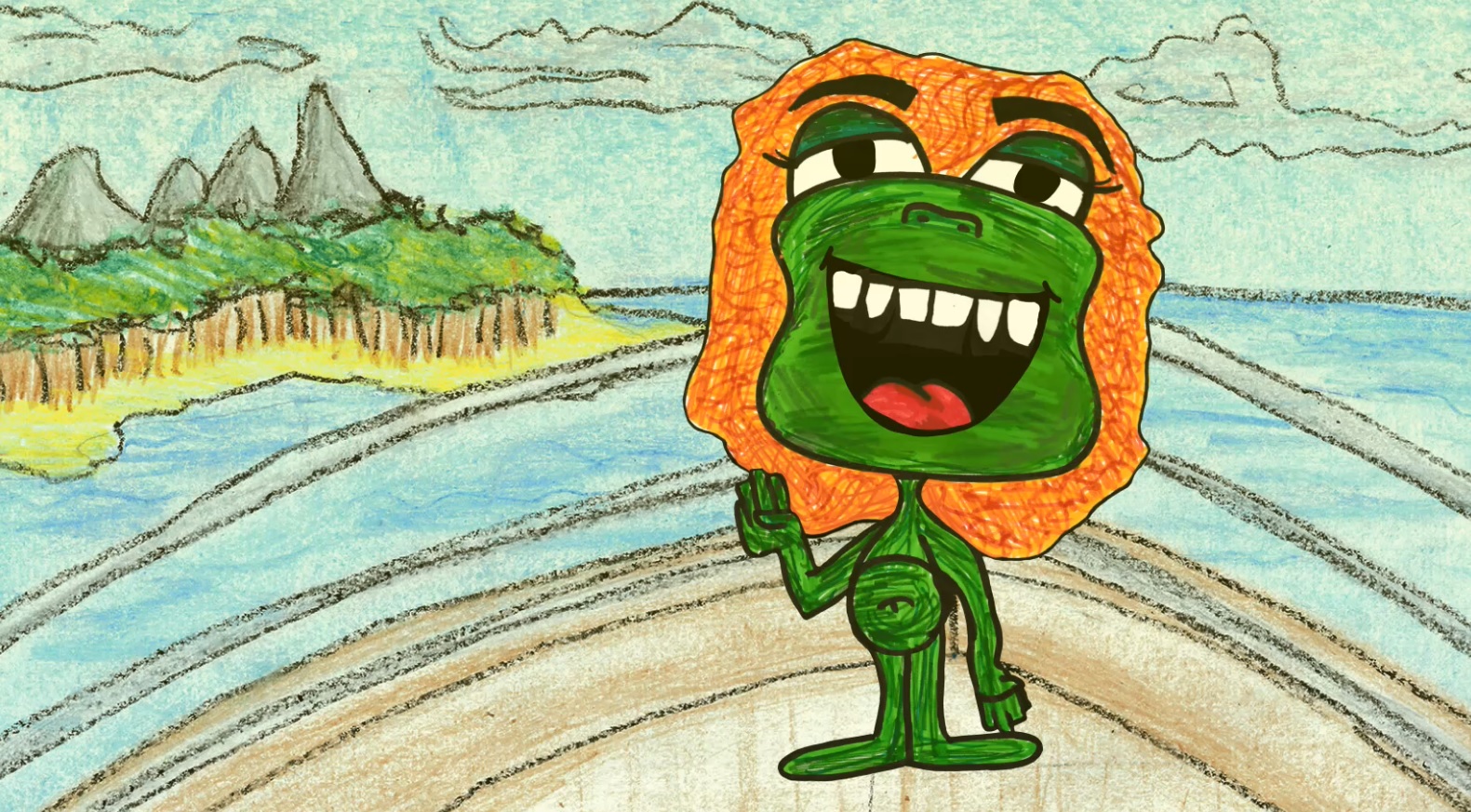
We began by making a short film to communicate the aims of the project and how children and young people could take part. Watch the film here.
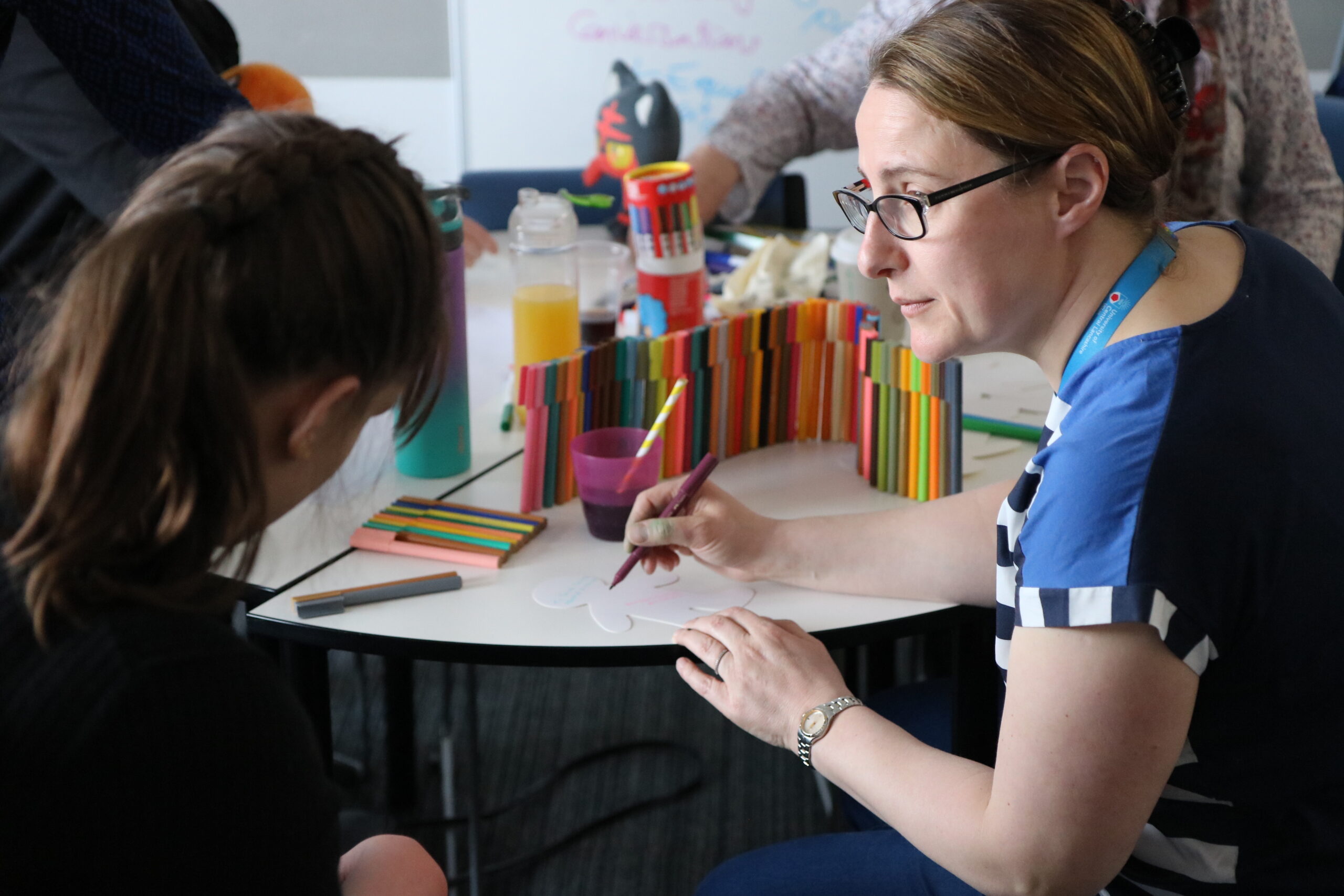
We then invited participants to take part in two activities using creative approaches to data collection:
Research Activity 1:
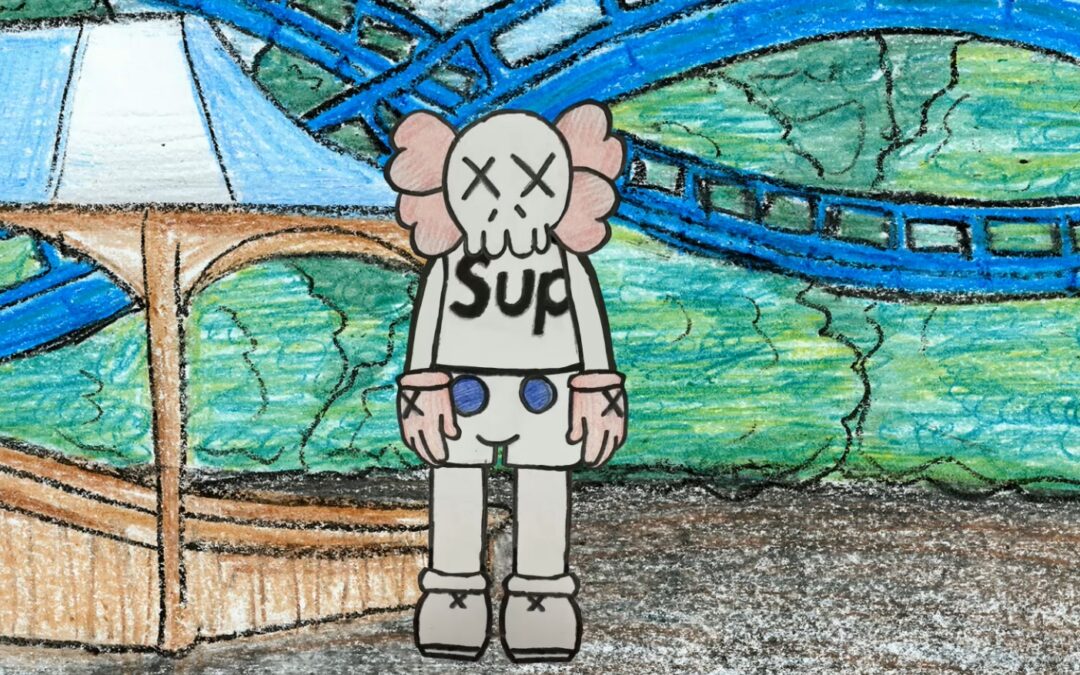
Draw an avatar to represent yourself
- Can you tell us something that your are proud of?
- Can you tell us about a fear you have overcome?
- What is the most exciting thing that you have done?
Research Activity 2:
Using your own choice of media (e.g. film, drawing, art, poem, audio) tell us about a challenge in your everyday life.
Analysis:
Researchers from the University of Lancashire prepared transcripts and helped to keep track of all the data. We did an initial stage of thematic analysis together in small groups where we read transcripts to highlight what struck us, identified themes and anything unusual across the data (photos, pictures, audio, and film). The university researchers then conducted a second stage of detailed thematic analysis using these themes as a framework.
Results:
Forty children and young people from across Lancashire took part in the project. Children and young people experience complex combinations of disability, health conditions and life situations, which are not always considered holistically. They shared many examples of unhelpful adult behaviours. The overarching themes are about attitudes to disability, and relationships between young people and the adults who work with them or on their behalf.
We will share the full results through an exhibition and a journal article co-written by members of UCan and the adult researchers.
Funding:
This project was provided with a small grant as one of six micro-projects led by young people in developing the FriendsF4R Network funded by the Arts and Humanities Research Council [grant AH/X00970X/1] led by Dr Deborah Crook from The University of Lancashire.